Low Taper Fade Haircut: The Ultimate Guide to Styles, Maintenance & Barber Tips
Introduction to the Low Taper Fade
What Is a Low Taper Fade?
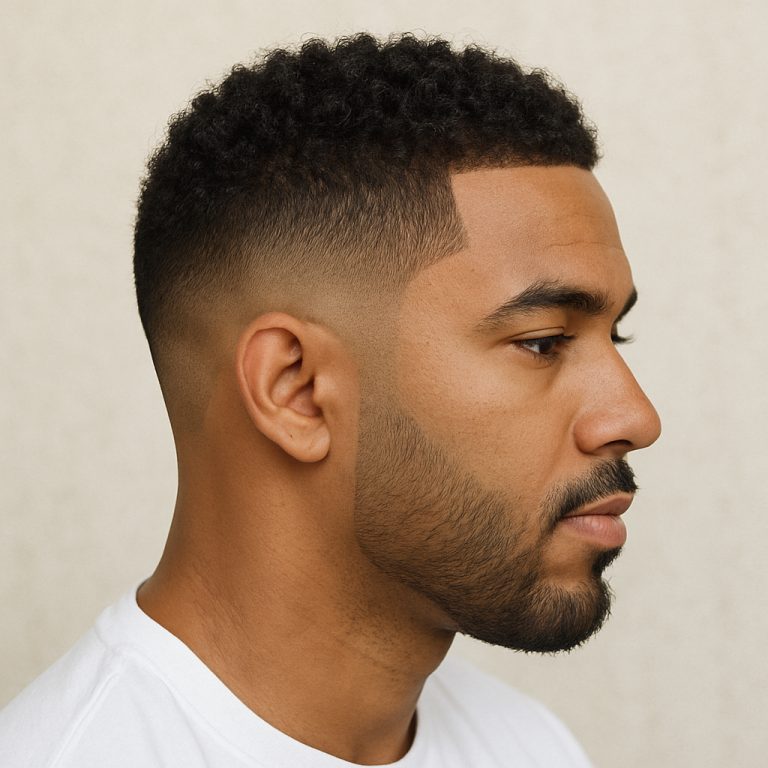
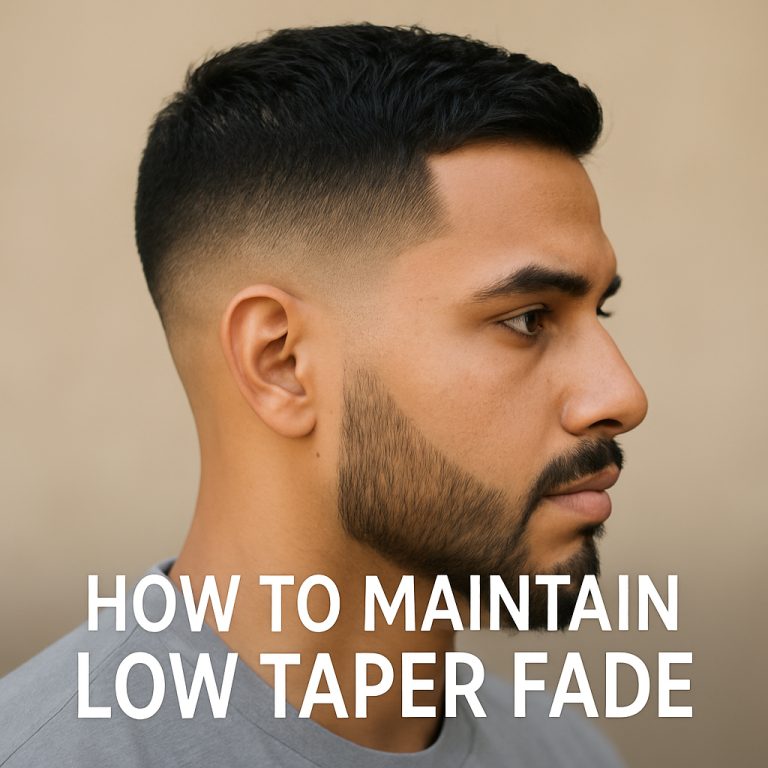
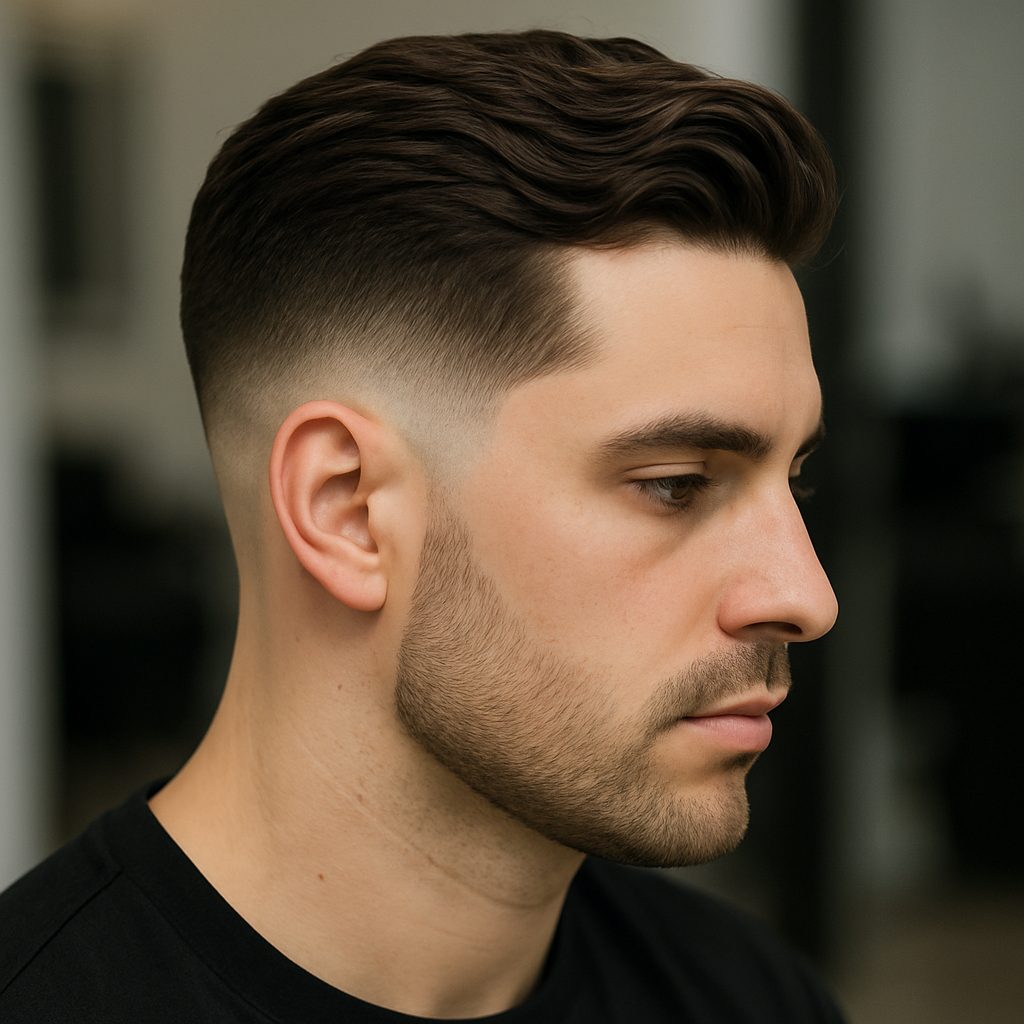
A low taper fade is one of the cleanest, most versatile haircuts out there. It blends your hair gradually shorter down the sides and back, starting just above the ears and tapering into the neckline. It’s subtle, sharp, and effortlessly stylish.
Why Is It So Popular Right Now?
Because it’s that perfect mix of polished and laid-back. Whether you’re heading to a job interview, a wedding, or just chilling on the weekend, the low taper fade fits in anywhere. It’s low-maintenance, works with pretty much any hair type, and looks amazing no matter what style you pair it with on top.
The Basics of Fade Haircuts
What Does “Fade” Actually Mean?
When people say “fade,” they’re talking about a smooth transition from longer hair to shorter hair, usually along the sides and back. The fade can start high, mid, or low on the head, and it can go down to the skin or stop before that.
Different Types of Fades
Let’s break it down real quick:
High Fade
Starts way up near the temples — super bold and edgy.
Mid Fade
Hits around the middle of the head. A solid middle ground between subtle and sharp.
Low Fade
Begins just above the ears for a soft, natural look.
Skin/Bald Fade
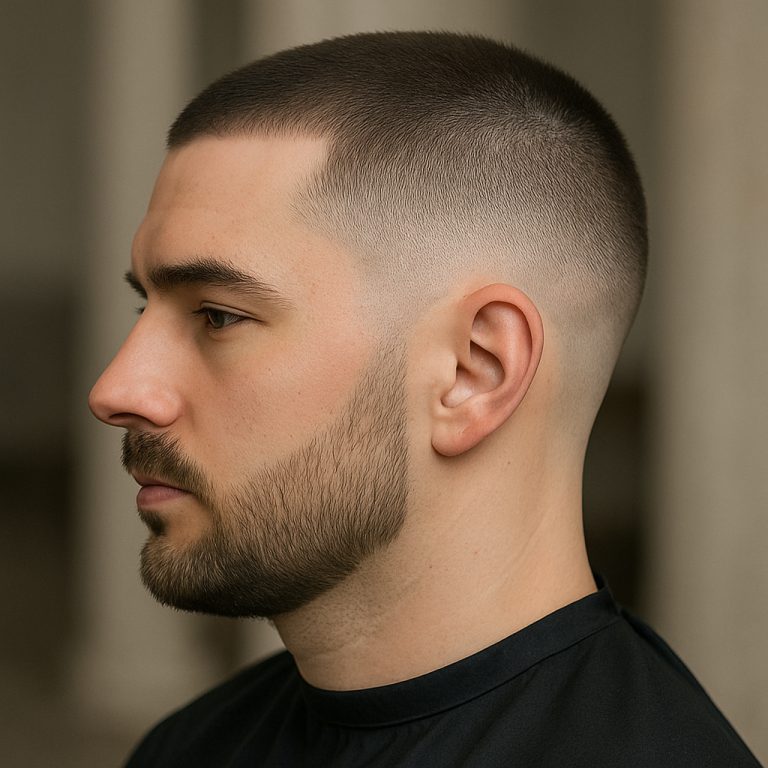
The fade blends all the way down to completely shaved skin.
Breaking Down the Low Taper Fade
What Makes It Different from a Regular Fade?
Here’s the twist: a taper and a fade aren’t exactly the same. A taper usually only affects the sideburns and neckline, while a fade can extend higher and get more dramatic. A low taper fade combines both – it’s a taper that fades out low and smooth.
Key Features of a Low Taper Fade
- Starts just above the ears
- Clean blend into the neckline
- Sharp around the edges
- Versatile on top (can be long or short)
Low Taper vs Low Fade – Not the Same!
It’s easy to confuse these. A low fade blends more of the side hair and might rise higher than a taper. A low taper fade focuses on just the bottom section, keeping more hair length up top.
Who Should Get a Low Taper Fade?
Face Shapes That Rock the Look
Got an oval, square, or heart-shaped face? You’re in luck. The low taper fade balances out face proportions and adds definition to the jawline and cheekbones.
Hair Types That Work Best
From tight curls to straight strands, the low taper fade plays well with nearly every hair type. If your hair’s thick, it helps reduce bulk. If it’s thin, it gives shape without exposing too much scalp.
Top Styles Featuring the Low Taper Fade
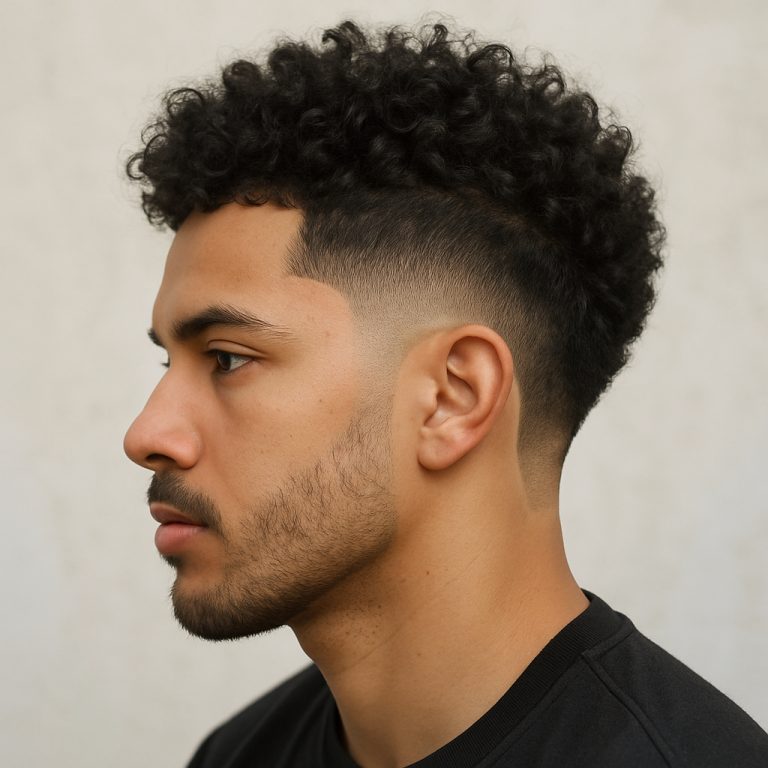
Low Taper with Curly Hair
Let those curls breathe up top while keeping the sides clean. Add a little curl cream and you’re golden.
Low Taper Fade with Waves
Wave check? The low taper fade keeps the focus on those smooth 360 waves while keeping the hairline crisp.
Low Taper Fade with Afro Hair
This is a classic pairing — natural texture on top with a clean fade below. Great for a neat and stylish look.
Low Taper with a Textured Crop
Modern and edgy. A short, messy crop on top and a tight taper at the neck? Chef’s kiss.
Low Taper with Pompadour or Comb Over
For a more polished look, go with a sleek pompadour or a side-swept comb-over. The taper keeps the look grounded.
Low Taper for Straight Hair and Side Parts
Minimalist and smooth — ideal for professional settings or if you’re not into too much styling fuss.
How to Ask for a Low Taper Fade at the Barber
Use the Right Lingo
Just say: “I’d like a low taper fade, keep the top [long/short/textured/etc.], and clean around the neckline and sideburns.”
Show Examples If You Can
Pull up a pic on your phone. Visuals help avoid any confusion.
Talk About the Top Length Too
Whether you want a crop, waves, or something longer, be specific. The fade is just one part of the full haircut.
Maintenance Tips for a Sharp Look
How Often to Get It Touched Up
Every 2 to 3 weeks keeps it looking fresh. The fade grows out quickly and can lose its shape fast.
Daily Grooming Tips
Use a good brush, sponge, or comb depending on your texture. Don’t forget the neckline!
Recommended Hair Products
- Pomade or styling cream for hold
- Moisturizer for curls and waves
- Edge control for detailing
Pros and Cons of a Low Taper Fade
The Advantages
- Clean and stylish
- Works for all occasions
- Pairs with most hairstyles
- Great for beginners or pros
Any Drawbacks?
- Needs regular upkeep
- Not as bold as a high fade
- Might not stand out as much in crowded styles
Celebrities Who Wear the Low Taper Fade Well
Some Famous Inspirations
- Drake – the king of the low taper and waves combo
- Zayn Malik – often sports a clean low taper with longer hair on top
- Chris Paul – sleek, professional taper game
- Michael B. Jordan – low taper with tight curls? Smooth.
DIY vs Professional: Should You Try It at Home?
Risks of Cutting It Yourself
Unless you’ve got serious skills, it’s easy to mess up the fade and ruin the blend. One wrong clipper guard and it’s over.
Best Tools If You’re Giving It a Shot
- Quality clippers with guards
- A handheld mirror
- Steady hands and patience
- YouTube tutorials from real barbers
But honestly? Your local barber has your back.
Conclusion
The low taper fade is more than just a haircut — it’s a statement of style, confidence, and versatility. Whether you’re keeping it casual or going full formal, this cut adapts like a chameleon. With the right care, the right barber, and the right swagger, a low taper fade can become your go-to signature look.
FAQs About Low Taper Fade
Is a low taper fade good for school or work?
Absolutely. It’s neat, professional, and not too flashy — perfect for everyday settings.
Can women get a low taper fade?
Yes! Many women rock this look with short styles. It adds a unique edge to feminine cuts.
How is a taper different from a fade?
A taper affects just the sideburns and neckline. A fade covers a larger area and often blends higher up the head.
Will it work with a beard?
Definitely. A low taper can blend smoothly into a beard or contrast it for a sharp look.
Does it grow out fast?
It stays clean for about 2–3 weeks. After that, you’ll need a touch-up to keep the lines sharp.