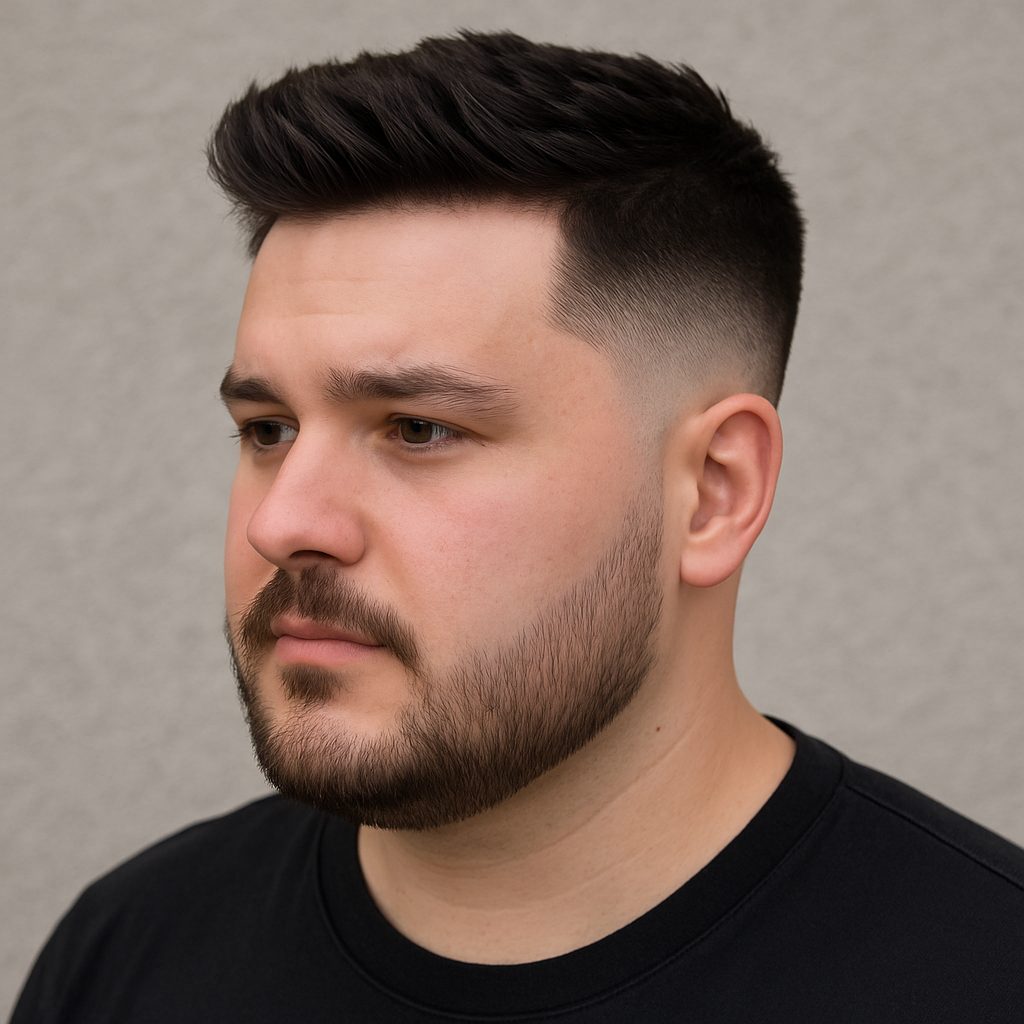
Low Taper Fade for Round Face: The Perfect Blend of Style and Balance
Introduction to Low Taper Fade
Finding the perfect haircut that flatters your face shape can feel like solving a puzzle. If you’ve got a round face, you probably know the struggle—most styles either make your face look even rounder or don’t bring out your best features. Enter the low taper fade, a timeless yet modern haircut that blends subtle fades with sharp styling. Not only is it versatile, but it’s also one of the most flattering hairstyles for round faces.
What is a Low Taper Fade?
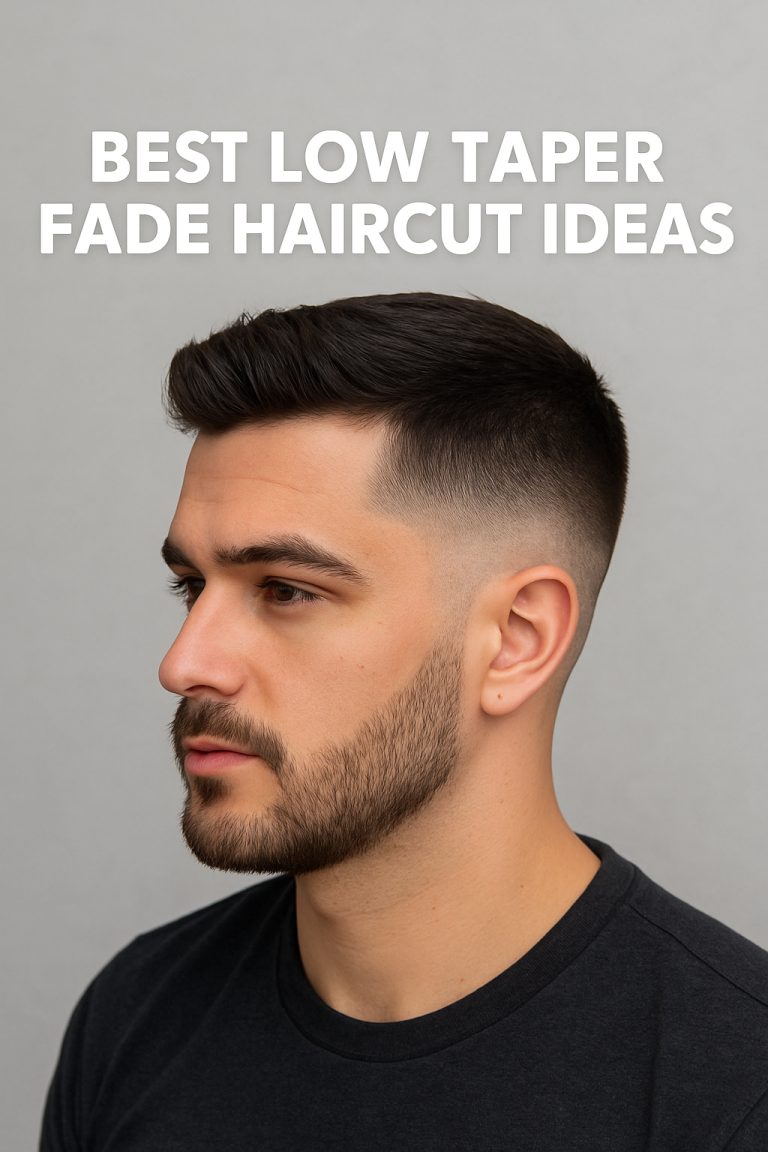
The low taper fade is a haircut where the hair gradually shortens from the top down to the neckline, with the fade starting lower on the head. Unlike high fades that dramatically cut into the sides, the low taper fade keeps things subtle and smooth, making it more balanced for rounder face shapes.
Why the Low Taper Fade is Trending?
From TikTok barbers to Hollywood red carpets, the low taper fade has become a go-to look for guys who want style without going over the top. It’s clean, easy to maintain, and works with different hair types—whether straight, curly, or wavy.
Understanding the Round Face Shape
Before diving into why this cut is perfect, let’s talk about the round face itself.
Key Features of a Round Face
A round face is characterized by:
-
Equal width and height proportions
-
Soft jawline with no sharp angles
-
Fuller cheeks that give a circular appearance
Common Hairstyle Challenges with Round Faces
The biggest challenge with round faces is avoiding styles that add width. Hairstyles that make the face look wider instead of longer can take away from balance. That’s why cuts like the low taper fade are such game-changers—they slim down the sides and elongate the overall face shape.
Why the Low Taper Fade Works for Round Faces
So, why does this haircut look so good on a round face?
Creates Definition and Structure
The fade naturally adds sharper lines to an otherwise soft face shape, giving definition to your jawline and cheekbones.
Adds Illusion of Length
By keeping the top slightly longer and tapering the sides low, this style visually elongates your face, making it look more oval and balanced.
Balances Facial Proportions
Round faces need verticality, and the low taper fade does exactly that by drawing the eyes upward instead of sideways.
Different Variations of the Low Taper Fade for Round Face
Classic Low Taper Fade
This timeless version features a smooth transition from the sides to the neckline. Simple, clean, and professional—it works for just about any occasion.
Low Taper Fade with Textured Top
Adding texture on top creates volume, which helps stretch out the face visually. Think messy yet stylish, perfect for casual vibes.
Curly Hair Low Taper Fade
Got natural curls? This cut keeps them neat on top while letting the fade define your facial shape. Great for guys who want to embrace their curls without looking bulky.
Wavy Hair Low Taper Fade
Waves paired with a taper fade create a dynamic look. The natural movement on top gives a modern edge while the fade keeps things balanced.
Low Taper Fade with Side Part
The side part adds sharpness, breaking the roundness of the face. Combine it with a low taper fade, and you’ve got a sleek, sophisticated look.
Low Taper Fade with Pompadour
If you like a little drama, a pompadour paired with a taper fade adds significant height—perfect for stretching a round face.
Low Taper Fade with Beard
A well-groomed beard blended into a taper fade is a killer move. It adds structure to the jawline and balances the round face beautifully.
How to Choose the Best Low Taper Fade for Your Round Face
Considering Hair Texture and Thickness
Thicker hair may need extra layering to prevent bulk, while thinner hair benefits from textured styling to add volume.
Factoring in Personal Style
Are you more into classic clean looks, or do you prefer trendy, bold vibes? Choose a fade variation that matches your personality.
Matching Fade to Lifestyle and Maintenance
If you don’t want daily upkeep, a simpler taper fade might be better. For those who love experimenting, textured and styled tops are ideal.
Styling Tips for Low Taper Fade on Round Face
Best Hair Products to Use
-
Pomade for sleek finishes
-
Matte clay for textured, casual looks
-
Curl cream for defining natural curls
Daily Styling Routine
Wake up, dampen your hair slightly, apply your chosen product, and style the top upward or sideways to avoid adding width.
How to Maintain the Fade Longer
Regular trims every 2–3 weeks are key. A low taper fade grows out smoothly but keeping it sharp elevates the look.
Mistakes to Avoid with Low Taper Fade on Round Face
Going Too Short on the Sides
Extremely short sides can exaggerate roundness instead of balancing it.
Avoiding Overly Rounded Hairlines
Stick to sharper edges; rounded cuts around the temples only make the face appear fuller.
Not Blending the Beard with the Fade
A choppy transition between beard and fade can look messy. Always ask your barber to blend them seamlessly.
Celebrities Who Rocked Low Taper Fade with Round Face
Celebs like Jonah Hill, Leonardo DiCaprio, and even Zac Efron have sported variations of the low taper fade to complement their rounder facial structures. These looks prove just how versatile and stylish this haircut really is.
Conclusion
The low taper fade for round face is more than just a haircut—it’s a confidence booster. By slimming down the sides and adding height on top, it creates a balanced, structured look that works for everyday life and special occasions alike. Whether you’re going for a classic vibe or something trendier, this hairstyle adapts to you.
FAQs about Low Taper Fade for Round Face
How often should I get a low taper fade trimmed?
Every 2–3 weeks is ideal to maintain sharpness.
Can a low taper fade work with curly hair?
Absolutely! It enhances natural curls without making the face look wider.
Do I need a beard for this haircut to suit my round face?
Not necessarily, but a beard can add extra structure to the jawline.
Is the low taper fade suitable for formal settings?
Yes—it’s clean and professional while still being stylish.
What’s the main difference between a low taper fade and a high fade?
A low taper fade starts closer to the neckline, while a high fade begins much higher up, creating a bolder contrast.