DIY Kitchens: The Ultimate Guide to Creating Your Dream Kitchen
So, you’ve been binge-watching home improvement shows, scrolling Pinterest like it’s your full-time job, and dreaming of your perfect kitchen. What if I told you that dream could become a reality without hiring an expensive contractor? Welcome to the world of DIY kitchens, where creativity meets practicality and the results are 100% yours.
Benefits of a DIY Kitchen
Cost Savings
Let’s start with the obvious money. Hiring professionals for a kitchen reno isn’t cheap. By taking matters into your own hands, you can save thousands of pounds (or dollars). And that means more room in the budget for that dreamy farmhouse sink or state-of-the-art oven.
Customization
Want a pink splashback with matte black cabinets? Go for it. DIY gives you full creative control. You’re not just choosing from a catalog; you’re designing a space that reflects you.
Learning New Skills
You’ll be amazed at how much you learn measuring, cutting, assembling, even basic plumbing. It’s like a crash course in being handy.
Satisfaction
There’s nothing quite like standing in a kitchen you built with your own two hands. Every cabinet, every tile, every screw tells a story.
Planning Your DIY Kitchen
Assessing Your Space
Before diving in, take a good hard look at your kitchen. Measure everything twice. Know where your plumbing and electrics are. Think about how you move in the space.
Budgeting Smartly
Set a realistic budget and stick to it. Factor in tools, materials, fixtures, and a buffer for unexpected costs.
Timeline and Project Management
Rome wasn’t built in a day, and neither will your kitchen be. Create a timeline with key milestones. Don’t rush it, good planning equals fewer headaches.
Choosing the Right Kitchen Layout
L-Shaped Kitchens
Perfect for maximizing corner space and leaving room for a dining area or island.
U-Shaped Kitchens
Great for those who love storage and countertop space. It wraps around you like a cozy kitchen hug.
Galley Kitchens
Ideal for smaller spaces, offering efficiency and functionality.
Open Concept Designs
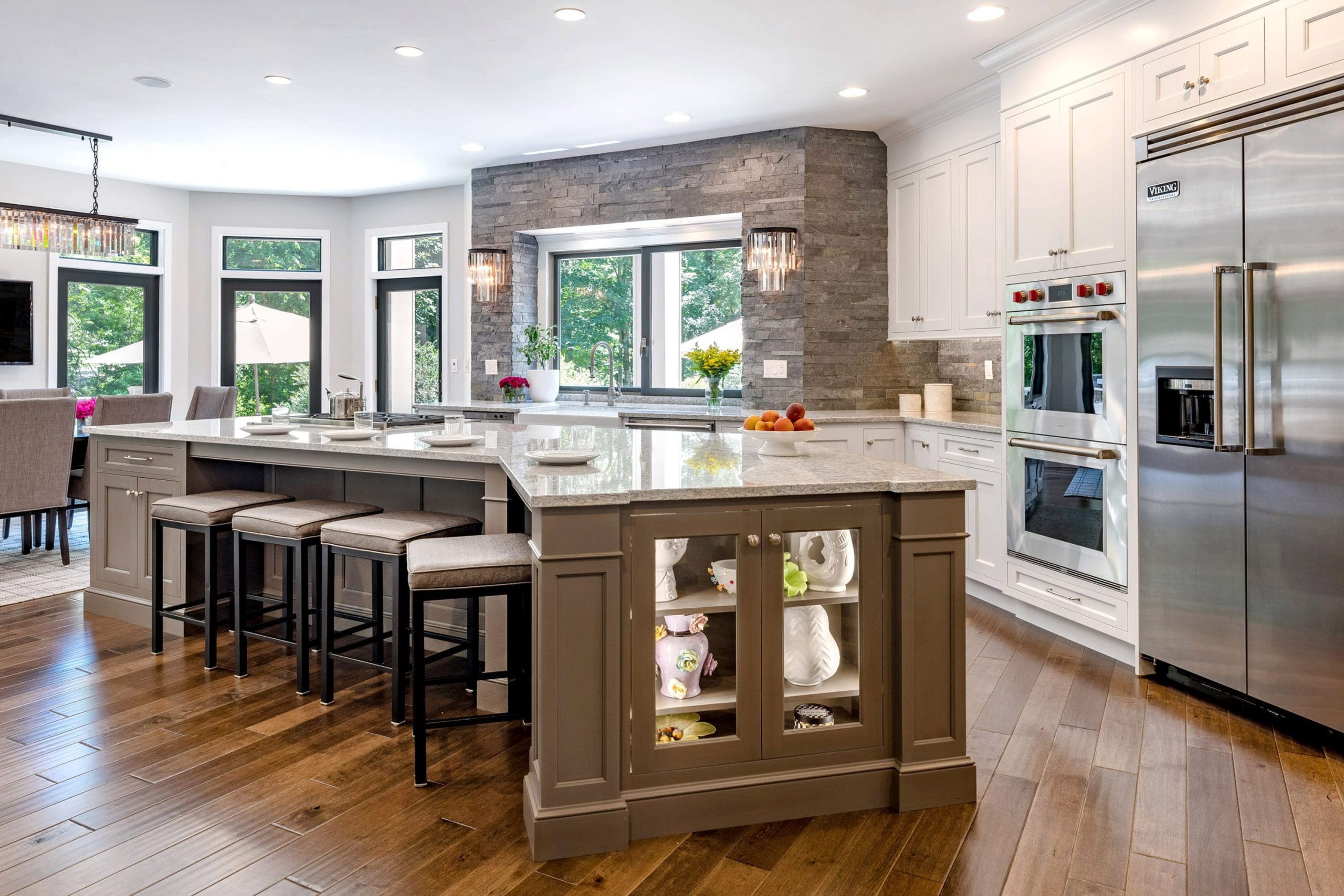
Want a kitchen that blends into your living space? Open plans create an airy, modern vibe.
Selecting Materials and Cabinets
Flat-Pack vs Pre-Assembled Cabinets
Flat-pack is budget-friendly and easy to transport. Pre-assembled saves time but costs more. Choose based on your skill level and patience!
Best Materials for Durability
Go for solid wood or high-quality MDF with a good finish. Avoid cheap particleboard if you want your kitchen to last.
Sustainable and Eco-Friendly Options
Bamboo, reclaimed wood, and recycled materials aren’t just trendy, they’re kinder to the planet.
Tools and Equipment You’ll Need
Basic Hand Tools
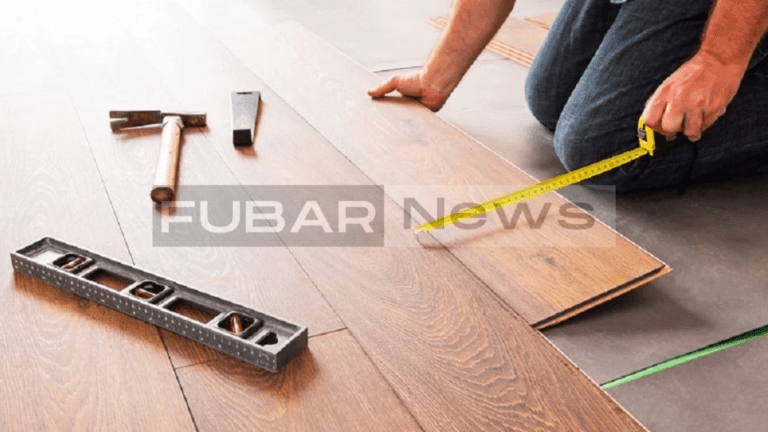
Hammer, screwdriver, spirit level, measuring tape your new best friends.
Power Tools for Efficiency
A cordless drill, circular saw, and sander will make life much easier.
Safety Gear and Setup
Don’t forget gloves, goggles, and a good dust mask. Safety first, always.
Step-by-Step Kitchen Installation Process
Demolition and Prep Work
Out with the old! Carefully remove old cabinets, tiles, and fixtures. Patch up walls and clean everything thoroughly.
Plumbing and Electrical Setup
Time to reroute pipes or install sockets? This is where you may need a licensed pro.
Assembling and Installing Cabinets
Follow manufacturer instructions closely. Use a laser level for that perfect alignment.
Worktop and Backsplash Installation
Measure twice, cut once. Ensure tight fits and seal any gaps properly.
Appliance Integration
Fit in your oven, fridge, and dishwasher neatly. Check water and power connections thoroughly.
Mistakes to Avoid in a DIY Kitchen Project
Underestimating Time
Everything takes longer than expected. Plan for that.
Ignoring Measurements
Measure everything. Then do it again.
Skipping Permits
Check your local regulations before starting. Trust us, it’s not worth the fine.
Styling Your DIY Kitchen
Color Schemes and Themes
Neutral tones? Bold contrast? The choice is yours. Use mood boards to find your style.
Modern vs Rustic vs Minimalist
Modern is sleek, rustic is cozy, and minimalist is clean. Pick your vibe.
Lighting and Accessories
Under-cabinet lighting, pendant lamps, open shelving—make it yours.
Budget-Friendly Tips and Hacks
Where to Save and Where to Splurge
Splurge on cabinets and countertops, save on hardware and décor.
Reusing and Upcycling
Repurpose old furniture, paint your current cabinets, or salvage materials. It’s budget-friendly and sustainable.
Sourcing Affordable Materials
Shop at clearance outlets, browse online marketplaces, and watch for sales.
Maintenance and Upkeep
Cleaning Tips
Use non-abrasive cleaners and wipe spills quickly to protect surfaces.
Long-Term Care for Cabinets and Worktops
Regularly check hinges, reseal wood surfaces annually, and avoid harsh chemicals.
Keeping Fixtures Working
Descale taps, clean filters, and replace bulbs promptly to keep things smooth.
When to Call in the Pros
Complex Electrical Work
Don’t risk it, to hire an electrician for anything beyond basic tasks.
Plumbing Nightmares
If you hit a pipe or spring a leak, stop and call a plumber.
Structural Adjustments
Anything involving walls or load-bearing elements? Let the pros handle it.
Real-Life DIY Kitchen Makeover Stories
Small Kitchens Made Big
We’ve seen 6×8 kitchens turned into functional beauty with clever layouts.
Total Transformations on a Budget
Paint, new doors, and lighting can transform a kitchen for under £1,000.
Is a DIY Kitchen Right for You?
Time Commitment
Are you ready to spend weekends and evenings building?
Skill Level
Be honest, some parts are easier than others. Are you up for the challenge?
Personal Goals
If you love learning and creating, DIY is your perfect match.
Conclusion
A DIY kitchen is more than just a money-saving project, it’s a chance to pour your personality, creativity, and hard work into the heart of your home. With a little planning, the right tools, and a can-do attitude, you can transform your space into something beautiful and functional. It won’t always be easy, but it’ll definitely be worth it.
FAQs
1. What is the average cost of a DIY kitchen?
The average DIY kitchen costs between $3,000 and $8,000, depending on materials and scope. You can go even lower with upcycled or second-hand materials.
2. Can I install kitchen cabinets myself?
Yes! With the right tools, clear instructions, and patience, most people can install kitchen cabinets themselves.
3. How long does it take to finish a DIY kitchen?
Anywhere from 2 to 8 weeks, depending on your time availability and project size.
4. What are the best materials for a DIY kitchen?
Opt for plywood or MDF with high-quality finishes for durability, and consider laminate or wood for worktops.
5. Do I need a permit for a DIY kitchen remodel?
If you’re moving plumbing, gas, or electrical lines, yes. Always check your local regulations.