Understanding the Lantern Festival: Traditions, Meaning, and Celebrations
Introduction to the Lantern Festival
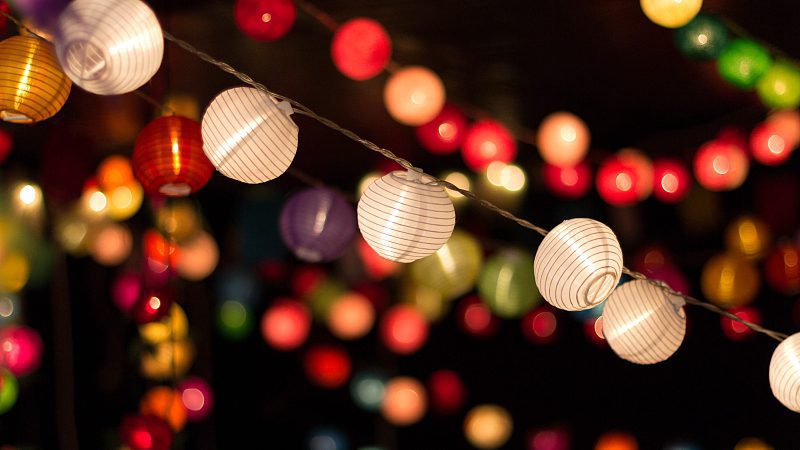
The Chinese Lantern Festival (also known as Yuan Xiao Jie) is celebrated on the 15th day of the first lunar month, marking the end of the Chinese New Year celebrations. This festival, held during the first full moon of the new lunar year, symbolizes the completion of the Spring Festival and the arrival of spring. It’s a traditional and cultural celebration that brings families and communities together to enjoy colorful lanterns, delicious treats, and fun activities. It’s a beautiful way to commemorate the start of a fresh year while embracing harmony and togetherness.
During this two-week period, the streets are filled with beautifully decorated lanterns in all shapes and sizes. People gather to solve riddles attached to these lanterns, a tradition that dates back to the Han Dynasty over two thousand years ago. Dragon dances, lion dances, and fireworks are common sights during this time, bringing joy to the night. Families often enjoy tangyuan, or sweet rice balls, symbolizing unity and good fortune. This celebration also includes sky lanterns, a stunning way to send wishes into the night sky, a practice that has spread far beyond China to Asia and beyond.
The Lantern Festival has deep spiritual and historical roots. It started during the Eastern Han Dynasty (25–220 C.E.) when people lit lanterns to honor Buddha and ward off evil spirits. Over time, the festival evolved to include decorative lanterns and fireworks to celebrate the end of the Spring Festival. Lantern festivals can now be found in countries around the world, like in Vietnam, Hawai‘i, and Taiwan, where people gather to release floating lanterns in honor of the full moon, marking a moment of reflection and spiritual connection.
Chinese Lantern Festival Facts
The Chinese Lantern Festival (元宵节, Yuánxiāojié, /ywen-sshyaoww jyeah/) is a traditional festival celebrated on the 15th day of the first lunar month, marking the end of the Chinese New Year and Spring Festival period. The festival is also known as Shàngyuánjié (上元节, /shung-ywen-jyeah/), meaning the “first night festival.” In 2026, the festival will be celebrated on March 3rd.
With over 2,000 years of history, the Lantern Festival is a time of celebration filled with lantern displays, eating tangyuan (sweet rice dumplings), guessing lantern riddles, and enjoying dragon and lion dances. The festival symbolizes the hope for good fortune, family reunion, and a bright future. During this time, people often greet each other with “元宵节快乐” (Yuánxiāojié kuàilè), meaning “Happy Lantern Festival.”
The Lantern Festival marks a significant cultural event, combining rich traditions and cultural practices that have been passed down for centuries, and continues to bring people together to celebrate the end of the Chinese New Year celebrations.
Full Moon Lantern Festival
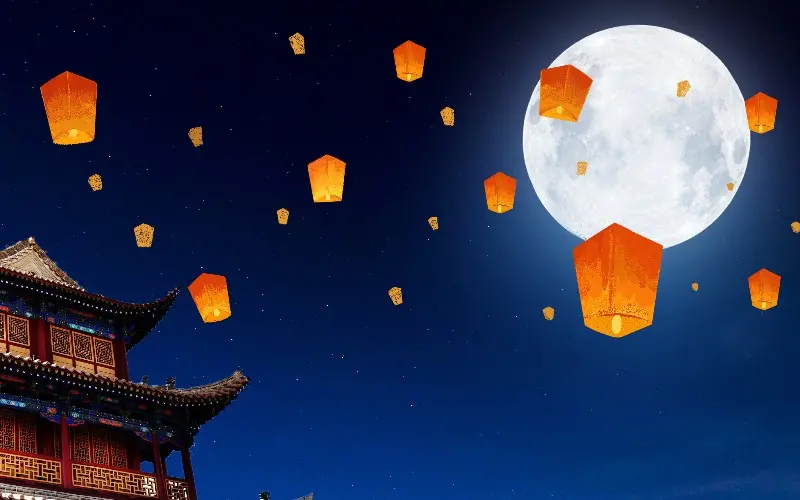
The Full Moon Lantern Festival is a beautiful and vibrant celebration held in Hoi An, Vietnam, on the 14th day of each lunar month. The festival aligns with the full moon, and its dates vary, occurring on specific days such as January 13, February 11, March 13, and so on throughout the year. This event is deeply rooted in Buddhist tradition, offering a time for people to meditate, reflect, and honor deceased ancestors.
As the full moon rises, the town of Hoi An is transformed. From sundown, homes and businesses turn off their electricity, allowing the soft glow of lantern lights to illuminate the streets. Locals and visitors alike gather to release lanterns onto the river, symbolizing wishes for happiness and health. The colorful lanterns float on the water, creating a peaceful and enchanting sight that enhances the spiritual atmosphere of the festival. It is a time for people to connect with their cultural roots, honor the past, and embrace the promise of a bright future.
Spring Lantern Festival
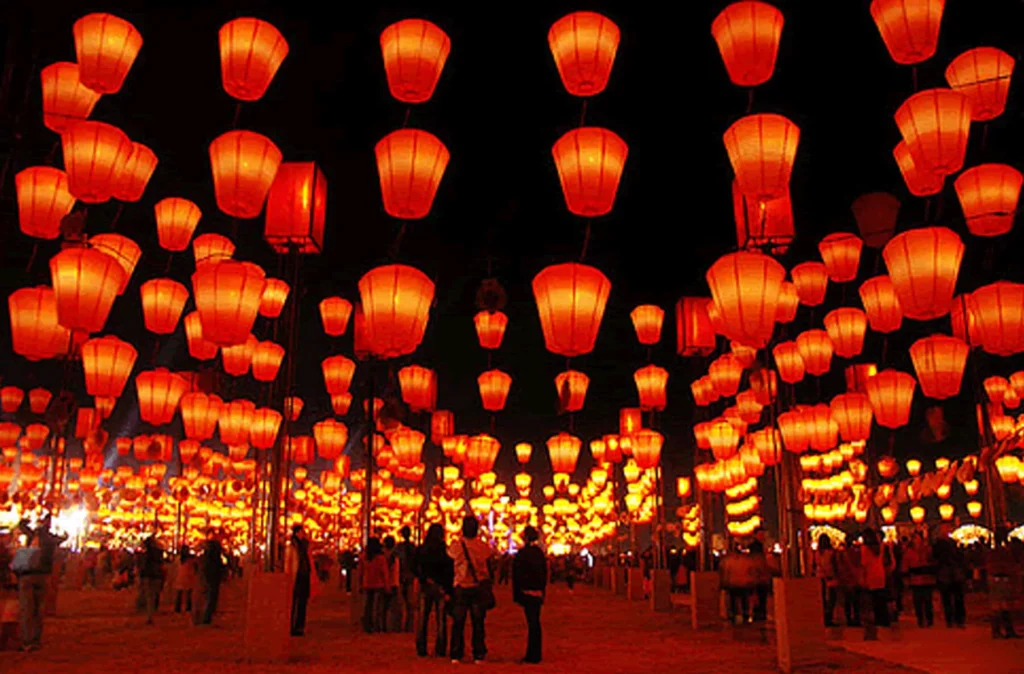
The Spring Lantern Festival marks the end of Chinese New Year, celebrated on the 15th day of the lunar new year. In Hong Kong and Mainland China, this festival is a significant annual event that signifies the coming of spring. The festival is widely observed across the Chinese-speaking world, where families come together to enjoy various customs and traditions. One of the most popular activities during the festival is lighting lanterns and solving lantern riddles.
A beloved treat of the festival is tangyuan, glutinous rice balls typically filled with sweet red beans or black sesame paste, symbolizing family reunion and togetherness. The festival is also known for its lively lion dance performances and vibrant street parades. In places like Tsim Sha Tsui and the Hong Kong Cultural Centre, crowds gather to enjoy the displays. The West Kowloon Waterfront Promenade is one of the largest venues for the celebration. Beyond Hong Kong, cities like Shanghai, Beijing, and Nanjing (home to the Confucius Temple) also host major events, attracting people from both urban and rural regions to partake in this joyful celebration of light and unity.
Pingxi Lantern Festival
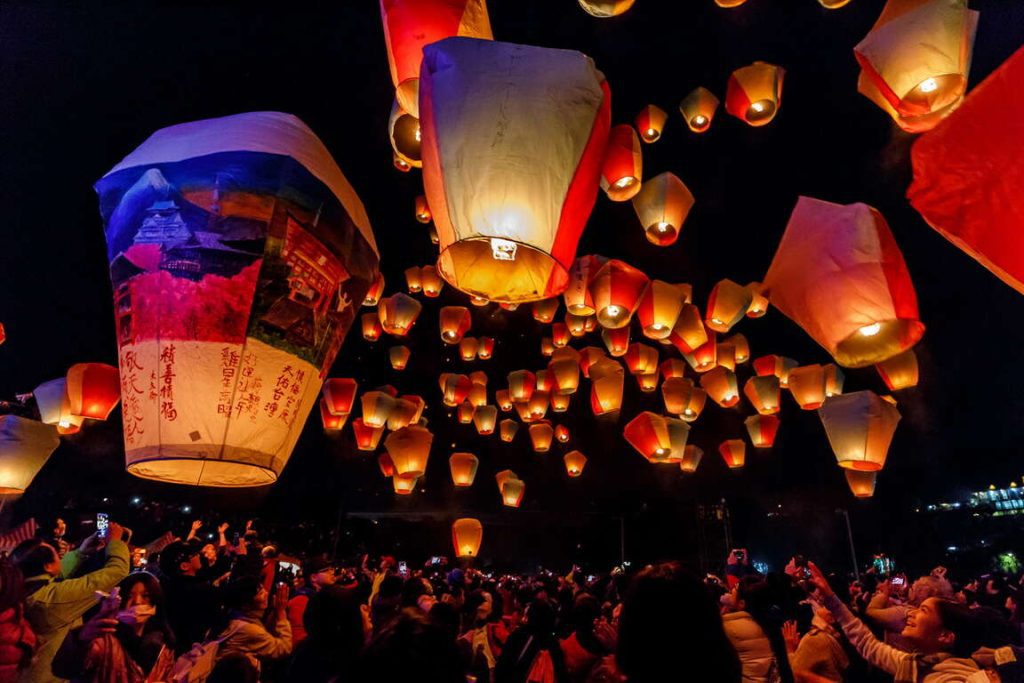
The Pingxi Lantern Festival, held in the Pingxi District of Taiwan, is one of the most anticipated events celebrating the end of Chinese New Year. Taking place on the first full moon of the Lunar New Year, typically in February or March, this festival draws thousands of people to the mountainous region just an hour east of Taipei. It is known for its stunning lantern releases, where locals and visitors write their wishes or prayers on colorful paper lanterns before releasing them into the sky.
The festival spans across several rural villages, including Jingtong, Nanshan, and Shifen, with Shifen hosting the largest event. As the lanterns float upwards, they symbolize hope and the embrace of an optimistic future. The lanterns are believed to carry people’s prayers, and it is a common belief that once released, the prayers will be answered. This beautiful tradition not only marks the end of Chinese New Year but also serves as a way to commemorate the passing of the festival in a peaceful and uplifting manner.
Shinnyo Lantern Floating Hawai‘i
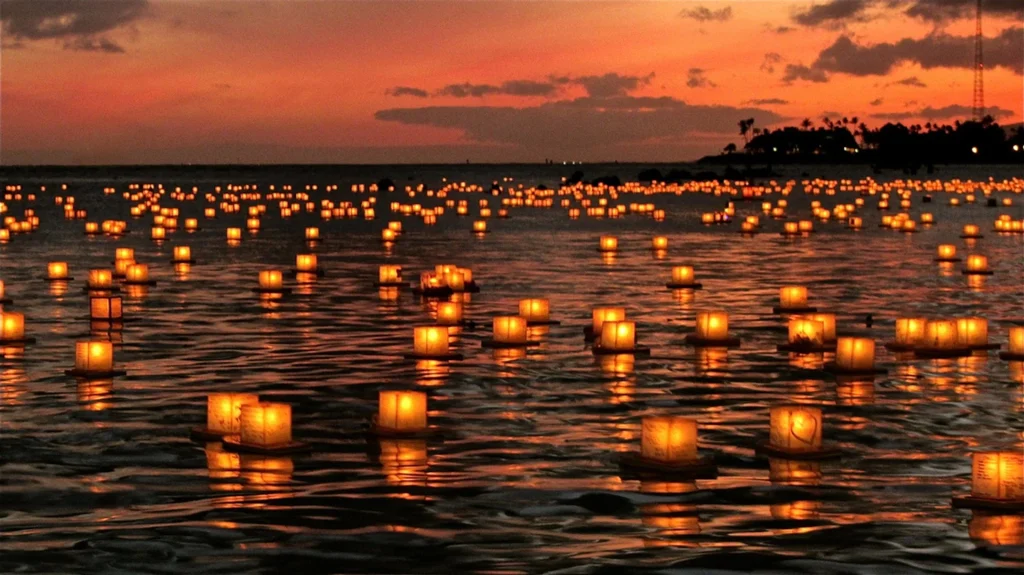
The Shinnyo Lantern Floating Hawai‘i is a beautiful and meaningful ceremony held annually on Memorial Day at Ala Moana Beach in O‘ahu, Hawai‘i. This event, organized by the Shinnyo-en community, brings together thousands of residents and visitors to honor and remember their deceased loved ones. The ceremony is rooted in the Buddhist tradition, with participants floating lanterns on the Pacific Ocean as a symbol of remembrance, hope, and the desire for good fortune.
As the sun sets, participants place their floating lanterns into the water, each carrying prayers and wishes for their ancestors. The ceremony is accompanied by traditional performances and local musical groups, creating a peaceful atmosphere of reflection. The event is presided over by Her Holiness Shinso Ito, the head of the Shinnyo-en community, whose guidance leads the ceremony. After the event, the lanterns are carefully retrieved, cleaned, and stored to be used for future festivals, continuing this tradition of remembrance and community connection. The 2025 celebration will take place on Monday, May 27, and it promises to be another unforgettable occasion for honoring loved ones and spreading positive energy.
Yi Peng Festival
The Yi Peng Festival is a significant event celebrated annually in Chiang Mai, northern Thailand. In 2024, it will take place on November 15-16, and in 2025, it will be held on November 5-6. This festival, which coincides with the full moon of the second month in the Lanna lunar calendar and the 12th month of the Thai lunar calendar, is one of the largest and most breathtaking ceremonies in the region.
During the festival, thousands of rice paper lanterns, known as khom loy, are released into the sky. This tradition is not only visually spectacular but also deeply rooted in religious significance. The Yi Peng Festival is a time for Buddhist offerings, where participants seek to cleanse their spirits and ease past misfortunes. Monks lead the ceremonies, and both locals and tourists actively participate in the lantern release, creating a stunning night sky filled with floating lights.
For those who wish to take part in the festival, entry tickets range from $140 to $460, and can be purchased through authorized tourism agencies. This unique experience draws many visitors eager to witness the serene and spiritual atmosphere of the Yi Peng Festival in one of Thailand’s most famous cultural celebrations.
Loi Krathong Festival
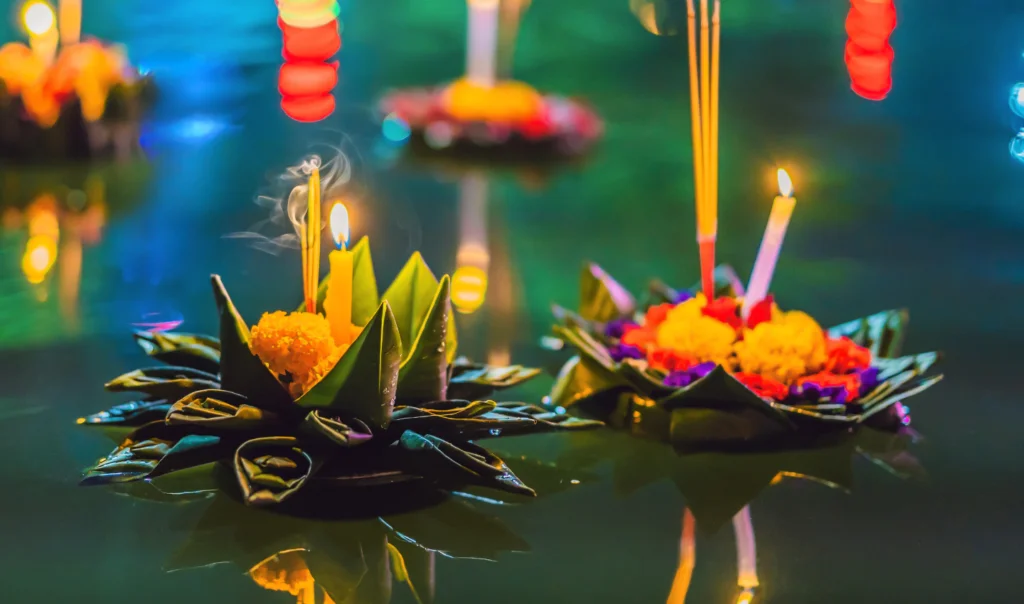
Loi Krathong is a beautiful and traditional festival celebrated across Thailand, marking one of the most anticipated festivals of light. In 2024, it will be held on November 15, and in 2025, on November 6. The festival takes place on the full moon of the 12th month in the traditional Thai calendar, and it is celebrated on a single night with spectacular displays of floating lights.
During Loi Krathong, participants create krathongs, which are small, decorated baskets made from banana leaves, filled with candles and incense. These baskets are then floated on bodies of water, such as rivers and lakes, symbolizing the release of negative energy and bad luck. In addition to floating krathongs, many people also release lanterns into the sky, adding to the magical atmosphere. This festival is widely celebrated in cities like Bangkok, Sukhothai, and Chiang Mai, as well as in rural areas across the country.
Loi Krathong is a time for both locals and travelers to come together to observe these mesmerizing traditions and reflect on their hopes for the future. The festival is a blend of cultural, spiritual, and aesthetic significance, making it one of Thailand’s most beloved celebrations.
Nagasaki Lantern Festival
The Nagasaki Lantern Festival takes place annually from January 29 to February 12, 2025, marking the first 15 days of the Lunar New Year and the beginning of spring. This vibrant festival has its roots in the Chinese immigrant community in Nagasaki, Japan, and it has become an official city holiday since 1994. The festival is celebrated in Nagasaki’s Chinatown, which is the oldest Chinatown in Japan, and it draws large crowds to witness a stunning display of over 15,000 lanterns lighting up the streets.
The Nagasaki Lantern Festival is a wonderful fusion of Chinese and Japanese cultural elements. Visitors can enjoy colorful Chinese lion dances, dragon dances, and the Emperor’s parade. Performances by acrobats add to the excitement, while the streets are lined with snack stalls offering delicious Japanese street foods like yaki imo (roasted sweet potatoes) and takoyaki (savory octopus-filled batter balls). The festival’s lively atmosphere showcases the unique cultural exchange between foreign traders from the Heian and Edo periods, making it a truly memorable celebration for both locals and tourists alike.
The Butter Lantern Festival
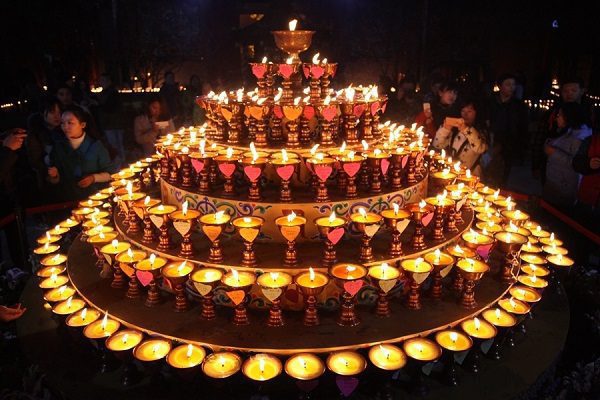
The Butter Lantern Festival in Lhasa, Tibet, will be celebrated on March 14, 2025, coinciding with the 15th day of the first Tibetan month, marking the grand conclusion of the Monlam Festival, which is part of the Tibetan New Year. This festival is considered one of the greatest days in Tibet, filled with profound prayer and reflection. It’s a time for devotion, where Tibetans gather to engage in feasting, enjoying traditional treats like khapse (fried pastries), and drinking chang (barley wine) or dresil (sweet rice).
The highlight of the Butter Lantern Festival is the display of elaborate lanterns and butter sculptures, meticulously created from clarified yak butter. These colorful, intricate statues represent spiritual devotion and serve as a form of prayer. The lanterns are lit in Lhasa, particularly around Barkhor Street and Jokhang Temple, which are spiritually important sites. Alongside the lanterns, you’ll find dancing, singing, and puppet shows, making this festival a vivid and cultural celebration in the heart of Tibet. The Butter Lantern Festival is not just a display of art but a deeply meaningful tradition that combines religion, culture, and community spirit.
Lighting and Watching Lanterns
One of the most beloved aspects of the Chinese Lantern Festival (or Yuanxiao Festival) is the tradition of lighting and appreciating lanterns. This activity is the heart of the celebration, with lanterns found everywhere from houses and shopping malls to parks and streets. Traditional lanterns, often red in color, are lit to symbolize good fortune and the hope of illuminating the future with smooth paths and best wishes for the year ahead. The Chinese word for lantern is 灯 (dēng), and the celebration is full of joy as families come together to light lanterns, express their hopes, and share warm moments.
In Taiwan, the festival is especially vibrant, where new-born babies are sometimes blessed with small lanterns, symbolizing their bright future. Couples often light lanterns together, wishing for harmony and happiness. The big lantern fairs like the Qinhuai International Lantern Festival in Nanjing or the Shanghai Yuyuan Lantern Festival in Shanghai showcase incredible artworks that represent traditional Chinese imagery, such as fruits, flowers, birds, animals, people, and even buildings. These creations have been a part of Chinese culture since the Qing Dynasty (1644–1911), making them a beautiful continuation of centuries-old traditions. Watching these stunning lanterns light up the night sky is a magical experience that invites reflection on the past and hopes for the future.
Guessing Lantern Riddles
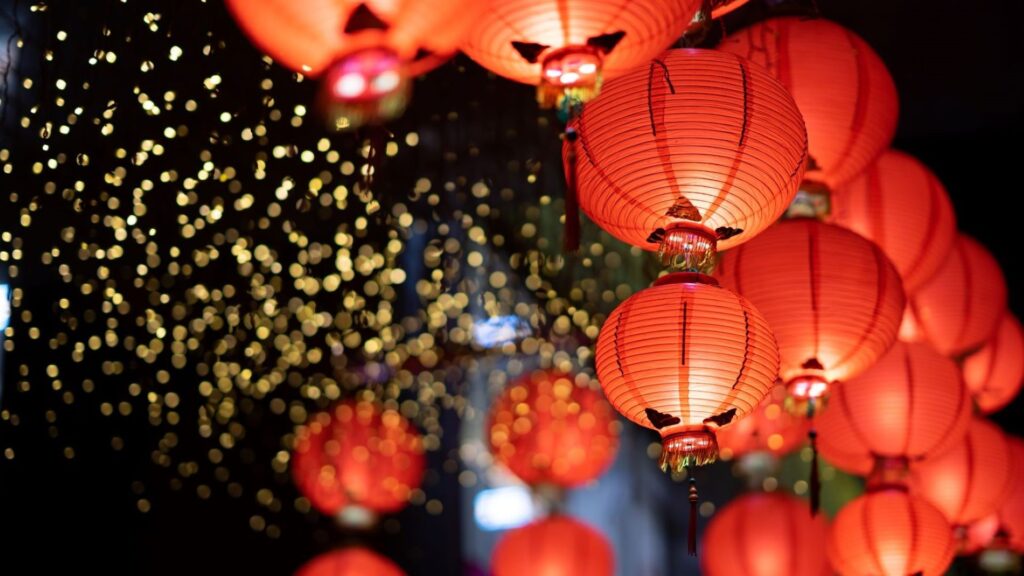
A fun and cherished tradition during the Chinese Lantern Festival (Yuanxiaojie) is the activity of guessing lantern riddles. This custom dates back to the Song Dynasty (960–1279) and has become one of the most popular and exciting parts of the celebration. Lantern owners attach riddles written on paper notes to their colorful lanterns. As the crowd gathers, participants eagerly try to guess the answers, with the challenge of solving the riddles adding an element of fun and competition to the festival.
When someone guesses the correct answer, they often receive a small gift or prize from the lantern owner. This exchange symbolizes good fortune and is a delightful way to engage with friends, family, and strangers alike. It’s not just about winning, but also about the joy of coming together to share in a centuries-old tradition, fostering a spirit of community and celebration.
Eating Tangyuan (Yuanxiao)
During the Chinese Lantern Festival (Yuanxiao Festival), one of the most beloved traditions is eating tangyuan (汤圆), a type of glutinous rice dumpling. The round shape of the tangyuan is highly symbolic, representing completeness, togetherness, and family reunion. In fact, the pronunciation of tangyuan (tāngyuán) is similar to the word tuányuán (团圆), which means “reunion” and is a lucky saying that expresses the wish for family harmony and happiness.
Tangyuan are typically filled with a variety of sweet ingredients, such as brown sugar, sesame seeds, peanuts, walnuts, bean paste, or jujube paste. They are commonly served in a sweet soup, adding to the festive atmosphere. Depending on the region, tangyuan can be boiled, fried, or steamed, offering different textures and flavors. For some, the treat is also paired with tianjiu (甜酒), a sweet fermented rice liquor, making the meal even more special.
This tradition dates back to the Song Dynasty, and by the Ming and Qing Dynasties, it had become an integral part of Lantern Festival celebrations. Tangyuan is more than just a sweet treat; it is a symbol of unity, harmony, and good fortune a delicious way to mark the end of the Chinese New Year and enjoy time with loved ones.
Watching Dragon Dances and Lion Dances
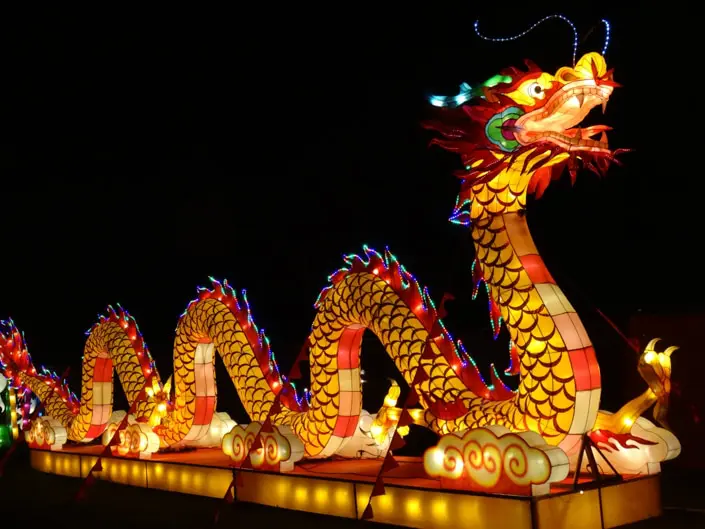
During the Chinese Lantern Festival, one of the most exciting traditions is the performance of Dragon Dances and Lion Dances. These traditional folk dances are vibrant, energetic, and deeply symbolic. The dragon, a central figure in Chinese culture, represents bravery, strength, and good luck. Traditionally, the dragon is believed to drive away evil spirits and protect people, their livestock, and their homes. The long, colorful dragon is carried by a team of dancers, who move in sync to create the illusion of a serpent-like creature twisting and turning through the streets.
Similarly, the lion dance also carries powerful meanings, with its movements symbolizing protection and the driving away of bad fortune. In many cultures, the lion is considered a guardian figure, and the dance is a form of worship meant to bring prosperity and luck for the coming year. Both dances are typically accompanied by loud music, cymbals, and drums, which add to the energetic and festive atmosphere.
These dances are more than just performances they are integral to the Chinese New Year celebrations and the Chinese Lantern Festival, marking a joyful end to the holiday period while inviting good fortune and a blessed future.
Chinese Lantern Festival Food

One of the most beloved aspects of the Chinese Lantern Festival is the special food enjoyed during the celebration, especially tangyuan (also known as Yuanxiao). These ball-shaped dumplings are made from glutinous rice flour and are often stuffed with a variety of fillings such as brown sugar, sesame seeds, peanuts, walnuts, bean paste, or jujube paste. The round shape of the dumplings symbolizes reunion, harmony, and completeness, reflecting the festive spirit of family togetherness.
Eating tangyuan is an essential custom of the festival, as their round shape and sweet taste are thought to bring good fortune and happiness to families. They are typically served in a warm, sweet soup and can be prepared in various ways boiled, fried, or steamed. In some regions, people also enjoy fermented rice soup (known as tianjiu or 甜酒, pronounced tiánjiǔ), a sweet liquor made from fermented rice, which has been a part of Chinese culinary traditions since the Song Dynasty and was enjoyed through the Ming and Qing Dynasties.
The act of eating tangyuan during the festival is not only a culinary delight but also a symbol of family reunion and joy, making it a must-have food that ties into the festival’s themes of togetherness and celebration.
Also Read: Boost Your Mood with Food: Nutrition for Mental Health
Chinese Lantern Festival 2026 Events Around the World
The Chinese Lantern Festival is growing in popularity and is being celebrated in many parts of the world, especially in Western countries. Large, colorful lantern displays are a major attraction, drawing crowds and spreading the festive spirit of the festival. In 2026, several significant events will take place across the globe, showcasing the beauty of traditional Chinese lanterns.
One of the major celebrations is the North Carolina Chinese Lantern Festival, which will take place starting on March 3, 2026. The event is expected to feature stunning lantern displays and various cultural performances. Other major events include the Winter Lantern Festival in Washington, DC (date to be confirmed) and the Auckland Lantern Festival in New Zealand, which will run from February 26 to March 1, 2026. These festivals bring together traditional Chinese culture and the joy of lanterns, making them a perfect way for people from all over the world to experience the magic of the Chinese Lantern Festival.
FAQs
1. What is the Lantern Festival about?
The Lantern Festival is a traditional Chinese celebration marking the first full moon of the new lunar year, with activities like lighting lanterns, solving riddles, watching dragon dances, and eating tangyuan (sweet rice balls).
2. What is the real name of the Lantern Festival?
The real name is Yuan Xiao Jie (元宵节), or Yuanxiao Festival.
3. What do the lanterns mean in Chinese New Year?
Lanterns symbolize good luck, prosperity, and the return of light after the darkness of winter. They also represent family reunion and harmony.
4. What is the reason for the Lantern Festival?
The Lantern Festival marks the end of the Chinese New Year celebrations, honoring the first full moon of the lunar year and welcoming the coming of spring. It is a time to reunite with family and celebrate the future with hope.