Low Taper Fade vs Regular Fade – Which Style Should You Choose?
Choosing the right haircut can feel like choosing the right pair of shoes—you want comfort, versatility, and style all in one package. When it comes to men’s hairstyles, fade cuts dominate the scene, but the question remains: should you go for a low taper fade or stick with the classic regular fade? Both look sharp, but they send out slightly different vibes. Let’s break it down so you can walk into the barbershop confident about your choice.
Introduction to Fade Haircuts
What is a fade haircut?
A fade is when your hair gradually transitions from short to even shorter as it moves down the sides and back. It’s like a smooth gradient, with the shortest part blending into the skin or very short hair near the neckline.
Why fades are so popular in men’s hairstyles
Fades are popular because they’re clean, modern, and versatile. Whether you’re a businessman in a suit or a student rocking streetwear, a fade adds polish to your look without making you look overdone.
What is a Low Taper Fade?
Definition and characteristics
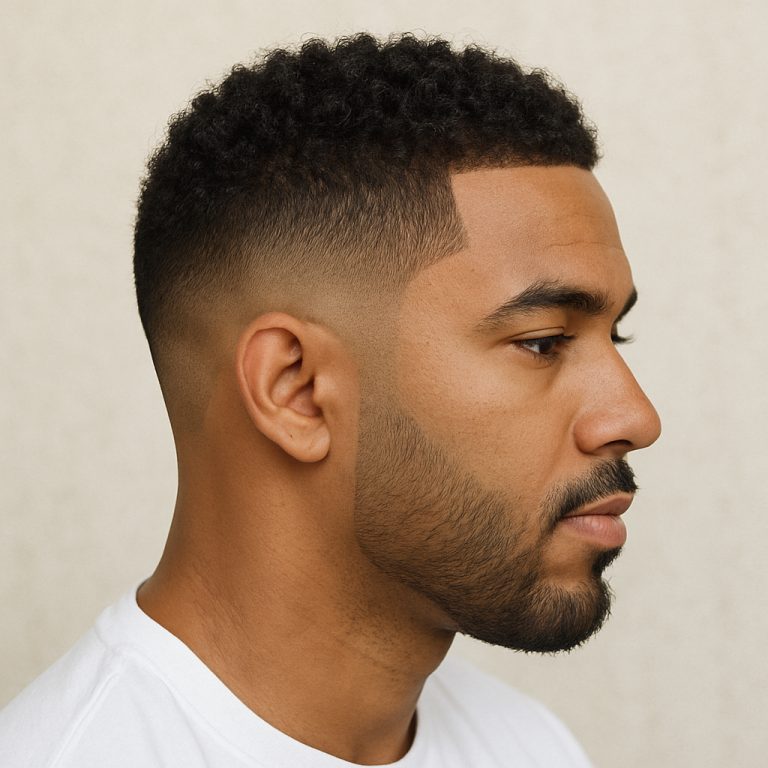
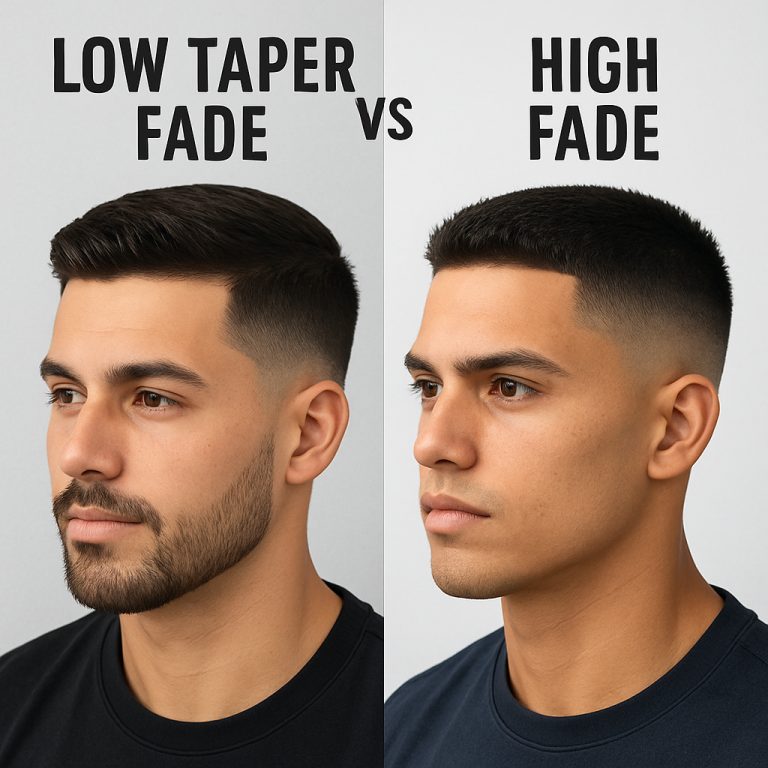
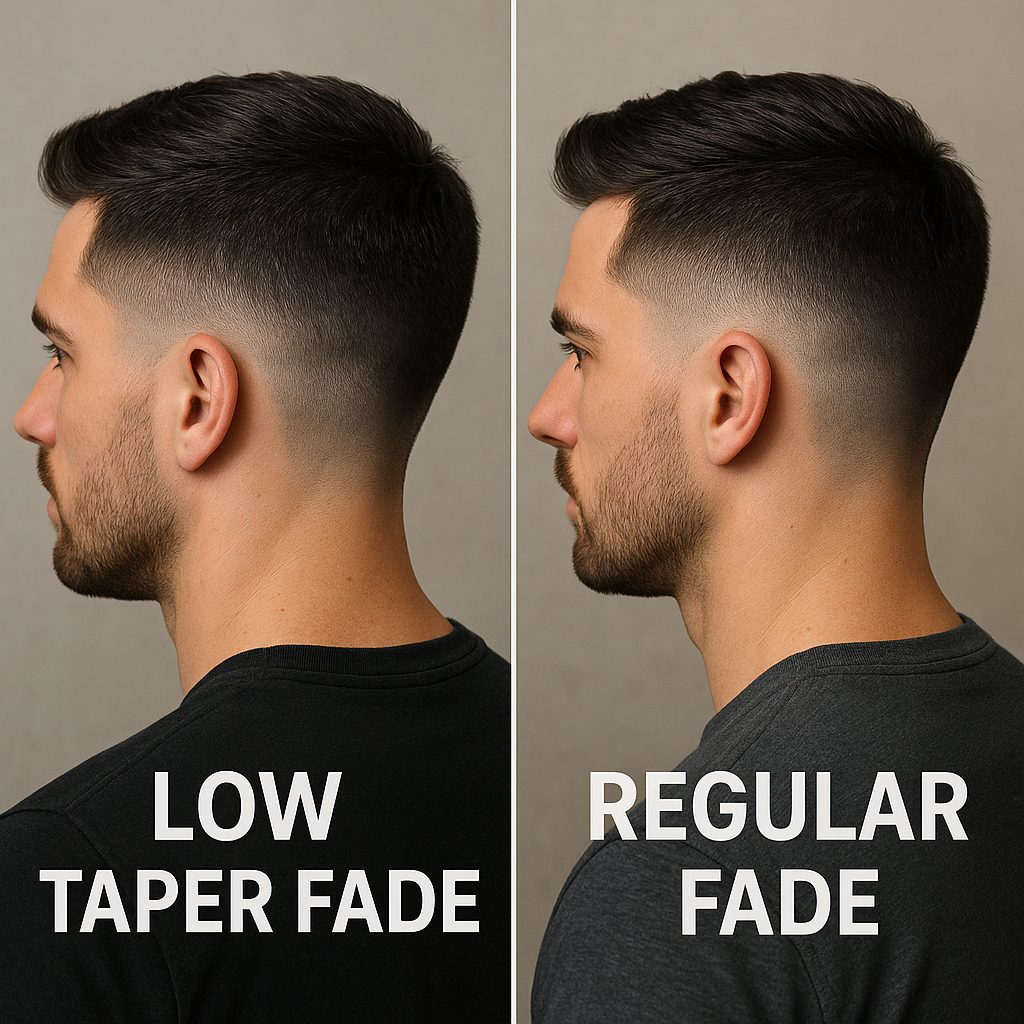
The low taper fade is a more subtle fade that starts just above the ears and curves around the neckline. It keeps the hair longer on top while tapering down the sides for a neat, understated style.
How it’s different from other taper styles
Unlike mid or high tapers, the low taper fade sits lower on the head, making it less dramatic but more versatile for everyday wear.
Key features of a low taper fade
- Fade starts just above the ears
- Gradual blending down to the neckline
- Soft, subtle look compared to bolder fades
What is a Regular Fade?
Understanding the traditional fade
A regular fade usually refers to the classic fade where the blending starts higher up. It can be a low, mid, or high fade, depending on where the barber begins the transition.
Different types of regular fades (low, mid, high)
- Low fade: Starts just above the ears, more noticeable than a taper.
- Mid fade: Begins around the temple area, giving a balanced look.
- High fade: Starts higher up, usually around the forehead corner, for a bold contrast.
The classic barber shop fade look
Think of the classic military-inspired fade. It’s neat, sharp, and perfect for guys who want that clean-cut, no-nonsense look.
Low Taper Fade vs Regular Fade – The Key Differences
Placement of the fade
- Low taper fade: Lower on the head, around the ears.
- Regular fade: Can start low, mid, or high, depending on your choice.
Transition and blending
A low taper fade has a softer, gradual transition, while a regular fade can have a more defined and dramatic contrast.
Styling versatility
Low taper fades are subtle, working well with business and casual styles. Regular fades can be styled into edgy looks like pompadours, mohawks, or buzz cuts.
Maintenance and upkeep
Low taper fades last longer before needing touch-ups because they’re subtle. Regular fades, especially high ones, need frequent barber visits to stay sharp.
Which Face Shapes Suit a Low Taper Fade?
Oval and round faces
The low taper fade helps elongate the face, making it look more balanced.
Square and angular faces
This fade softens sharp jawlines, giving a clean but natural finish.
Matching beard styles with a low taper fade
Pair it with a short boxed beard or light stubble to enhance definition.
Which Face Shapes Suit a Regular Fade?
Long and narrow faces
A mid or high fade adds width to balance out narrow features.
Heart-shaped and diamond faces
The regular fade works well with these shapes, highlighting cheekbones while keeping the jaw defined.
Pairing with different hairstyles
Regular fades look great with a crew cut, pompadour, or buzz cut, making them versatile for all hair textures.
Styling Options for Low Taper Fade
Curly hair with taper fade
The low taper fade keeps curls manageable while still showing off natural texture.
Wavy and textured looks
A little styling cream, and your waves pop with definition against the neat fade.
Low taper fade with part or fringe
Add a side part or fringe for a more modern, trendy look.
Styling Options for Regular Fade
Crew cut fade
Clean, low-maintenance, and timeless.
Pompadour with fade
High contrast, bold, and perfect for making a statement.
Buzz cut fade
The military-inspired style that screams confidence and strength.
Pros and Cons of Low Taper Fade
Advantages
- Subtle and versatile
- Longer-lasting between trims
- Professional and casual friendly
Disadvantages
- Not as bold or attention-grabbing
- Limited styling contrast compared to regular fades
Pros and Cons of Regular Fade
Advantages
- Bold and stylish
- Works with many hairstyles
- Sharp, defined appearance
Disadvantages
- Needs frequent touch-ups
- Not always suitable for formal/professional settings
Low Taper Fade vs Regular Fade – Which One is Right for You?
Lifestyle considerations
If you work in a corporate setting, a low taper fade is safer. For creative or casual lifestyles, a regular fade gives more freedom.
Hair type and density
Thick or curly hair looks amazing with taper fades, while straight or fine hair pops with a regular fade.
Professional vs casual setting
Taper = polished professional. Regular fade = bold and trendy.
Expert Tips on Maintaining Fades
How often to visit the barber
- Taper fade: every 3–4 weeks
- Regular fade: every 2–3 weeks
Best hair products for fades
Use pomade for shine, matte clay for texture, and beard oil if you’re pairing it with facial hair.
DIY upkeep vs professional trims
You can maintain edges at home, but for clean blending, always let a barber handle it.
Common Mistakes to Avoid with Fades
Letting the fade grow out too long
A faded cut loses its shape quickly if ignored.
Choosing the wrong fade for your head shape
The wrong fade can make your face look wider or longer than it really is.
Ignoring beard and neckline
A great fade with a messy beard looks unfinished—balance is key.
Want to explore other modern styles? Check out burst fade, drop fade, and skin fade guides. Pair your haircut with proper grooming tips from our beard trimming guide to complete your look.
Conclusion
When comparing low taper fade vs regular fade, it really comes down to your personality, lifestyle, and how much maintenance you’re willing to commit to. If you want a clean, subtle, and professional look—go for the low taper fade. If you want bold, stylish, and edgy vibes, the regular fade is your go-to. Whichever you pick, both are timeless cuts that keep you looking sharp.
FAQs About Low Taper Fade VS Regular Fade
What is the difference between a low taper fade and a low fade?
A low taper fade is more subtle, tapering only at the sideburns and neckline. A low fade blends higher up and is more noticeable.
Can a low taper fade look professional?
Absolutely! Its subtle finish makes it one of the most business-friendly haircuts.
How long does a fade haircut last?
On average, fades last 2–4 weeks before they need refreshing.
Is a regular fade better for thin hair?
Yes, regular fades (especially mid fades) can create an illusion of thickness for thinner hair.
What’s the trendier style in 2025?
Both cuts are still trending, but the low taper fade is taking the lead because of its versatility and clean, professional finish.